
Comparing Mild vs. Severe Spinal Stenosis: When Conservative Treatment Isn't Enough

Spinal stenosis ranges from mild narrowing that causes minimal symptoms to severe compression that dramatically affects quality of life. Understanding the differences between mild and severe spinal stenosis and recognizing when conservative treatments are no longer sufficient is essential for making informed decisions about your spinal health and pursuing appropriate intervention before irreversible damage occurs.
In this article, we’ll compare mild and severe cases of spinal stenosis and outline the next steps if conservative treatment isn’t enough, including modern surgical procedures like mechanical spinal devices, such as the TOPS System.
Understanding the Progression of Spinal Stenosis
Spinal stenosis typically develops gradually over years or even decades. The condition involves narrowing of the spinal canal, which houses the spinal cord and nerve roots. This narrowing most commonly results from age-related degenerative changes, including bone spurs, thickened ligaments, bulging or herniated discs, and facet joint enlargement. While some individuals experience steady progression, others may have periods of stability interrupted by sudden worsening triggered by injury, inflammation, or additional degenerative changes.
The distinction between mild and severe stenosis isn't merely academic. It has profound implications for treatment planning, prognosis, and the urgency of intervention. Medical imaging, particularly MRI scans, helps visualize the degree of narrowing, while clinical symptoms provide crucial information about how that narrowing affects nerve function.
Mild Spinal Stenosis
Mild spinal stenosis involves minimal to moderate narrowing of the spinal canal. On imaging studies, the spinal cord or nerve roots show some compression but maintain adequate space. Many individuals with mild stenosis remain asymptomatic or experience only occasional discomfort.
When symptoms do occur with mild stenosis, they tend to be intermittent and manageable. Patients may notice occasional lower back pain, mild leg discomfort during prolonged walking, or brief episodes of numbness or tingling that resolve with rest. These symptoms typically don't interfere significantly with daily activities or quality of life.
The hallmark of mild stenosis is its responsiveness to conservative treatment. Patients often find relief through physical therapy, anti-inflammatory medications, activity modification, and periodic epidural steroid injections. Symptoms may fluctuate with activity levels, weather changes, or overall health status, but they generally remain controllable without surgical intervention.
People with mild stenosis can usually continue working, exercising, and engaging in recreational activities with minimal limitations. They may need to modify certain movements or avoid activities that exacerbate symptoms, but overall function remains well-preserved. Walking tolerance stays relatively normal, and neurological deficits are absent or minimal.
Severe Spinal Stenosis
Severe spinal stenosis presents a starkly different picture. Imaging reveals significant narrowing with obvious compression of neural structures. The spinal cord may appear flattened in cervical stenosis, while lumbar stenosis shows marked nerve root impingement.
Symptoms become persistent rather than intermittent. Chronic pain replaces occasional discomfort, and activities that once provided relief may no longer help. Neurogenic claudication becomes pronounced, with patients unable to walk more than short distances before experiencing severe leg pain, weakness, or numbness. Some individuals can barely walk one or two blocks before needing to sit down.

Neurological symptoms intensify with severe stenosis. Weakness develops in affected limbs, making tasks like climbing stairs, rising from chairs, or lifting objects increasingly difficult. Numbness and tingling become constant rather than episodic. Fine motor skills may deteriorate when cervical stenosis is severe, causing difficulty with buttons, writing, or manipulating small objects.
Balance problems and coordination issues frequently emerge with severe stenosis, particularly when the neck is affected. Falls become more common, creating additional safety concerns. Some patients develop gait abnormalities, shuffling when they walk, or require assistive devices for stability. Severe stenosis can also cause dysfunction of bladder or bowel control in extreme cases. This represents a surgical emergency requiring immediate intervention to prevent permanent damage.
When Conservative Treatment Falls Short
Progressive symptom deterioration despite optimal conservative treatment is a primary red flag. If you've participated in comprehensive physical therapy, tried multiple medications, received epidural injections, and modified your activities, yet symptoms continue worsening, surgery may be necessary. Conservative treatment should provide meaningful improvement within three to six months. Persistent deterioration beyond this timeframe suggests the need for surgical evaluation.
Functional decline offers another crucial marker. When spinal stenosis prevents you from working, caring for yourself independently, or participating in activities essential to your quality of life, conservative treatment has reached its limits. If you can no longer walk through a grocery store, complete household tasks, or sleep through the night due to pain, these limitations indicate severe functional impairment warranting surgical consideration.
Development of neurological deficits represents a critical threshold. Progressive weakness, spreading numbness, or loss of reflexes indicates ongoing nerve damage that may become permanent without decompression. Neurological deterioration typically doesn't reverse with conservative care and requires surgical intervention to halt progression and potentially allow recovery.
Chronic pain and disability take psychological tolls, and when stenosis causes depression, social isolation, or complete lifestyle modification, these impacts must be weighed against surgical risks. Many patients reach a point where managing symptoms conservatively requires such extensive limitations that surgery becomes the preferable option.
Surgical Options for Severe Stenosis
When surgery becomes necessary, several approaches can address spinal stenosis. The goal is to decompress neural structures while maintaining or restoring spinal stability.
Laminectomy remains the most common procedure, removing portions of vertebral bone to enlarge the spinal canal. For patients requiring more extensive decompression or those with existing instability, fusion surgery may be recommended to provide permanent stabilization by joining the vertebrae together.
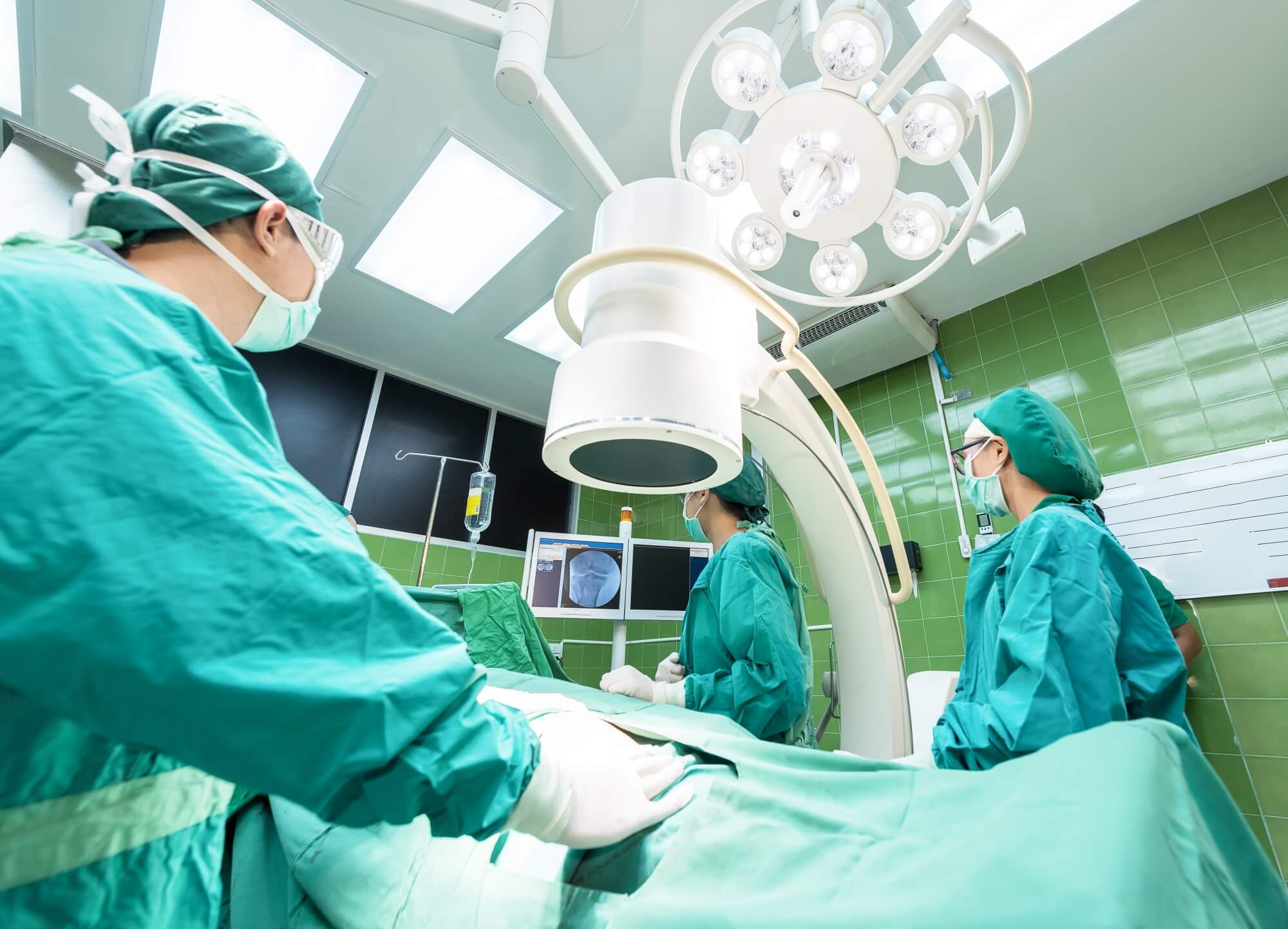
Motion-preservation technologies offer alternatives to traditional fusion for appropriate candidates. The Premia TOPS System represents one such innovation, designed to stabilize the spine following decompression while preserving motion at the treated segment. Unlike fusion, which eliminates movement, the TOPS System allows controlled flexibility, potentially reducing stress on adjacent spinal levels and decreasing the risk of adjacent segment degeneration. This option may benefit patients seeking stability without sacrificing spinal mobility.
Minimally invasive techniques continue advancing, offering smaller incisions, reduced tissue trauma, and faster recovery compared to traditional open surgery. The appropriate surgical approach depends on stenosis location, severity, patient anatomy, and individual treatment goals.
Thank you for reading. We hope this article has been useful, and we wish you well on your spinal stenosis treatment.