
The Wildest, Most Expensive Romantic Travel Destinations in the World

A private island in the Philippines costs $100,000 per night. A submarine hotel off St. Lucia charges $235,000 to sleep beneath the Caribbean. These prices sound absurd until you consider what buyers receive: total separation from the ordinary world, meals prepared by private chefs, and the near-certainty that no uninvited guest will appear at breakfast. The market for extreme romantic travel has grown steadily because couples with substantial wealth want something money rarely purchases elsewhere, which is complete privacy paired with genuine rarity.
The destination wedding industry expanded from $36.2 billion in 2024 to $47.5 billion in 2025. Romance travel grows at 11.1% annually, according to industry analysts. These figures point to a simple conclusion. People will spend large sums to mark their relationships in settings that feel singular.
Wealth Meets the Ocean Floor
The Muraka at Conrad Maldives places guests 16 feet below the Indian Ocean surface, with a master bedroom wrapped in 180-degree views of passing marine life. Rates run $50,000 per night. The Lover's Deep Submarine Hotel in St. Lucia goes further, submerging couples 30 feet beneath the Caribbean at $235,000 per night. These underwater retreats represent the outer edge of international luxury dating, where the setting itself becomes the story.
Analysts project the romance travel market will grow at 11.1% annually through 2028, driven partly by these extreme destinations. The numbers confirm a straightforward pattern: couples with resources will pay for isolation and rarity.
Richard Branson's Island Buyout
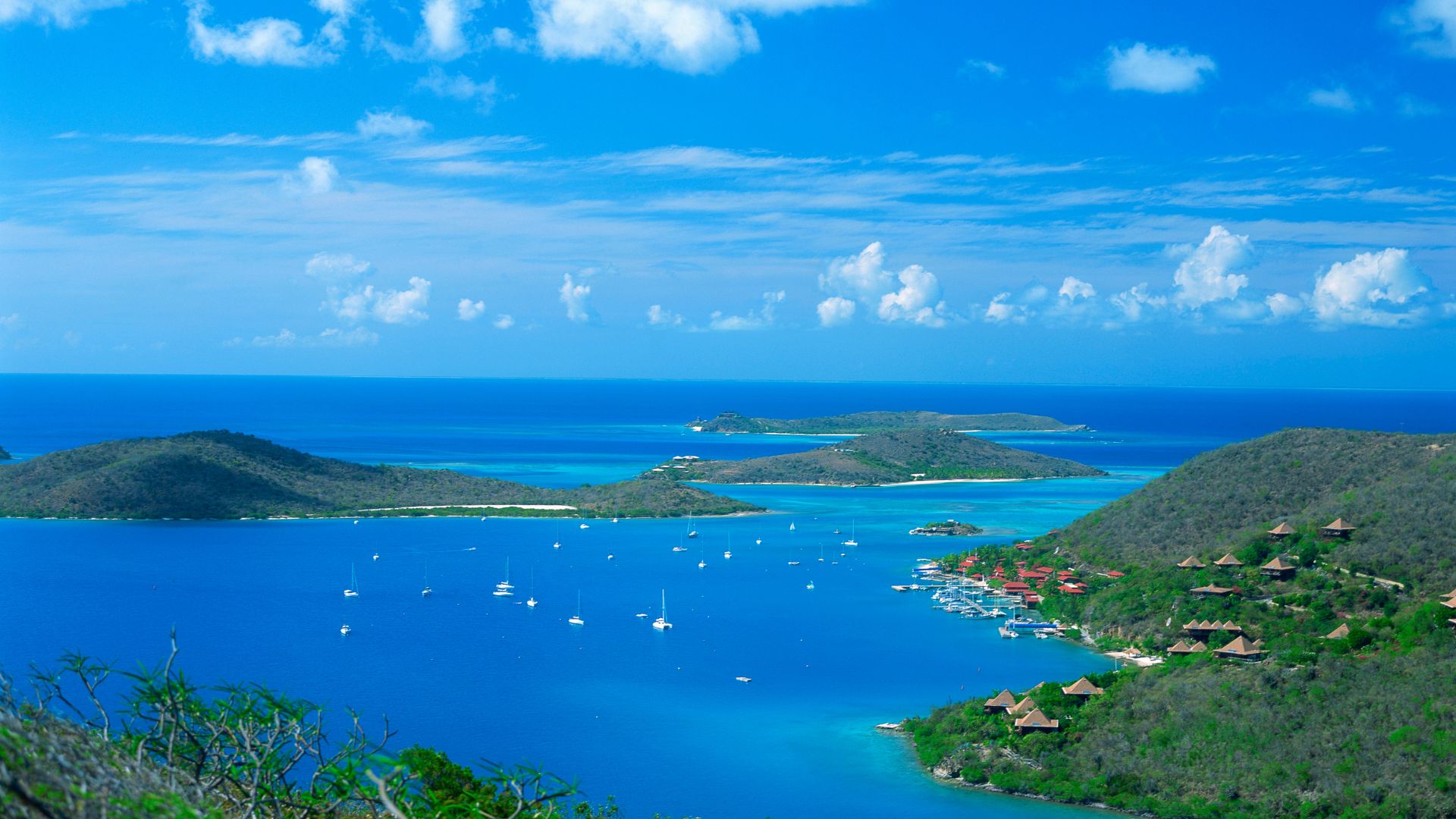
Necker Island sits in the British Virgin Islands as a 74-acre private retreat owned by Richard Branson. Exclusive buyouts run from $154,958 per night and accommodate up to 48 guests. The rate sounds steep until you divide it among a wedding party or large family gathering.
The island includes multiple residences, private beaches, and staff-to-guest ratios that hotels cannot match. Flamingos and giant tortoises roam the property. Tennis courts, two pools, and a collection of water sports equipment fill the days. At night, the absence of light pollution makes the sky dense with stars.
Couples who book Necker often use it for proposals, vow renewals, or milestone anniversaries. The appeal comes from knowing the entire island belongs to you and your guests for the duration.
The Philippines at $100,000 Per Night
Banwa Private Island holds the title of most expensive resort in the world in 2025. Located in the UNESCO-protected Sulu Sea, this 15-acre property charges $100,000 nightly. The rate covers the entire island, which means no other guests share the beaches, restaurants, or staff.
The setup emphasizes barefoot luxury. No shoes required on the white sand paths. No dress codes at dinner. The ecological focus means the resort limits its footprint while maintaining high-end amenities.
Couples arrive by private seaplane or helicopter. The isolation provides something urban hotels cannot: the sound of nothing but waves and birds. Mobile phone signals exist but feel irrelevant.
French Polynesia and Three Michelin Keys
The Brando sits on Tetiaroa, a private atoll once owned by Marlon Brando. Rates hover around $4,000 per night per couple with most meals and activities included. The resort recently earned Three Michelin Keys, a distinction shared by only 143 hotels globally.
The recognition matters because it signals consistent quality across dining, service, and physical design. The Brando operates on renewable energy and treats its own water. Solar panels and deep seawater air conditioning keep the carbon footprint minimal.
Guests stay in villas with private beaches and plunge pools. The remoteness requires a 20-minute flight from Tahiti, and that flight serves as a transition between ordinary life and the weeks ahead.
What the Money Actually Buys
Price tags in the six figures per night raise an obvious question. What separates a $4,000 resort from a $235,000 submarine?
The answer involves scarcity and logistics. Underwater hotels require constant maintenance, specialized staff, and safety equipment that landlocked properties never consider. Private islands need their own power, water, and supply chains.
Guests pay for the certainty that their trip will proceed without complications. Staff anticipate requests before guests make them. Dietary restrictions, activity preferences, and sleep schedules become data points the resort uses to personalize each day.
Who Books These Trips
The clientele breaks into a few categories. Tech founders celebrating liquidity events. Heirs marking engagements. Couples who have visited every conventional luxury destination and want something genuinely new.
Repeat bookings are common. Guests return to Necker or The Brando annually, treating these places as extensions of their homes rather than vacation spots. The staff remembers their preferences from previous visits.
Logistics Worth Mentioning
Reaching these destinations requires planning. Visa requirements, private specialists, and weather windows all affect booking. Some islands close during monsoon seasons. Others require medical clearances for underwater stays.
Travel advisors who specialize in ultra-luxury bookings handle these details for a fee. Their value comes from relationships with resort managers and knowledge of which rooms offer the best views, which chefs take special requests, and which dates avoid local events that might complicate arrivals.
The Practical Reality
These destinations exist because a market supports them. The prices will likely increase as demand grows and supply remains fixed. Private islands cannot expand. Underwater suites cannot be mass-produced.
For couples with means, the calculation involves time as much as money. A week at The Brando costs less than a sports car that sits in a garage. The island trip leaves memories. The car eventually depreciates.